
Your hotel’s cleanliness score isn’t just a guest satisfaction metric – it’s a direct predictor of occupancy rates, ADR performance, and whether guests return. In an industry where travellers read dozens of reviews before booking, cleanliness commentary can make or break a property’s commercial performance. One detailed negative review about bathroom grout or dusty surfaces undermines months of marketing investment.
Hotel general managers and operations directors face a persistent challenge: maintaining pristine standards across hundreds of rooms with housekeeping teams that experience constant turnover, work under intense time pressure, and receive minimal supervision during actual service delivery. The result? Cleanliness quality that varies unpredictably across rooms, floors, and shifts.
Standard housekeeping contracts address this problem with frequency specifications: “clean daily,” “deep clean quarterly,” “inspect randomly.” What they don’t address is the fundamental operational gap that creates inconsistent outcomes – the inability to verify that specified work actually happened as required, and the lack of data showing where quality breakdowns occur before guests discover them.
For hotel operators in Singapore’s competitive hospitality market, this operational blindspot represents both a business risk and an opportunity. Properties that solve the verification and consistency challenges differentiate themselves in ways that directly impact the metrics general managers answer for: guest satisfaction scores, online review ratings, and repeat booking rates.
Why Hotel Cleanliness Drives Commercial Performance More Than Most Operators Realize

Research across the hospitality sector consistently demonstrates that cleanliness is the primary driver of positive guest experiences. Data shows that guest room cleanliness influences satisfaction more than any other factor, including staff friendliness, check-in efficiency, or amenity quality. Property-wide cleanliness ranks as the second most significant driver.
The commercial implications extend beyond satisfaction scores:
Online travel platforms weight cleanliness heavily in their recommendation algorithms. Properties with cleanliness ratings below certain thresholds get deprioritized in search results regardless of price competitiveness or location advantages. The distribution impact of poor cleanliness scores affects bookings even before potential guests read detailed reviews.
Travellers scrutinizing reviews focus disproportionately on cleanliness commentary. A general manager might dismiss a single negative review about housekeeping as an outlier, but prospective guests reading that review see it as a warning signal. The psychological impact of cleanliness concerns is asymmetric – one detailed complaint about bathroom condition carries more weight than ten generic positive comments about “nice stay.”
ADR performance suffers when cleanliness perceptions decline. Hotels can’t maintain premium positioning when reviews repeatedly mention maintenance issues, inconsistent room preparation, or standards that don’t match the property’s marketed tier. The pricing power erosion happens gradually but compounds over time.
The verification gap that creates inconsistent outcomes
Traditional hotel housekeeping operates on trust-based models: supervisors assign rooms to staff, housekeepers report completion, supervisors spot-check a small percentage of rooms. This approach worked adequately when labour markets were stable and workforce tenure measured in years rather than months.
Singapore’s current hospitality labour environment makes trust-based quality control increasingly unreliable. High staff turnover means continuous training cycles where new housekeepers are servicing guest rooms before they’ve fully internalized standards. Supervisors managing large teams across multiple floors can’t physically verify every room meets specifications.
The result? Quality variance that guests experience as unpredictable. One room might be impeccable while the room next door has visible dust on surfaces or missed bathroom spots. Guests don’t understand that staffing challenges or training gaps caused the inconsistency – they just know their room didn’t meet expectations for the rate they paid.
What 5-Star Cleanliness Actually Requires (And Why Standard Contracts Miss It)
The gap between adequate hotel cleaning and exceptional standards isn’t just thoroughness – it’s systematic attention to details that guests notice but standard housekeeping checklists often miss. Travellers posting about their experiences online consistently reference specific observations: bathroom grout condition, towel quality and freshness, whether mattresses have proper protective covers, dust accumulation in less obvious spots.
The details that differentiate exceptional from adequate:
Surface-level cleaning addresses what’s immediately visible: made beds, wiped counters, emptied bins, replaced towels. This satisfies minimum expectations but doesn’t create the “pristine” impression that generates positive review commentary. Guests expect clean; they praise spotless.
The distinction lies in systematic attention to areas that reveal maintenance commitment. Pristine white grout in bathrooms signals that cleaning goes beyond quick surface work. Windows without streaks or spots demonstrate that standards include proper technique, not just rapid completion. Dust-free picture frames, lamp shades, and the tops of furniture shows that housekeepers work methodically rather than racing to finish.
High-quality linens maintained properly matter more than many operators realize. Guests can immediately tell the difference between premium sheets that are fresh and properly cared for versus budget linens showing wear. The tactile experience of climbing into a properly made bed with quality linens influences satisfaction in ways that aren’t always articulated in reviews but affect overall impression.
The operational challenge of maintaining consistent high standards
Hotel housekeepers typically have 20-30 minutes per room during occupied periods. This time pressure creates natural tension between thoroughness and productivity. When housekeeping teams fall behind schedule, quality suffers as staff rush to complete assignments. Supervisors may instruct teams to prioritize speed over detail when occupancy surges create bottlenecks.
Training new housekeepers to work both quickly and thoroughly takes months of experience. During the learning period, new staff members either work slowly to maintain quality (creating productivity issues) or work quickly and miss details (creating quality issues). Turnover rates in hospitality housekeeping mean that properties are perpetually training inexperienced staff while losing trained personnel.
Verification through spot-checking catches only a fraction of quality lapses. A supervisor inspecting ten percent of cleaned rooms identifies problems in those specific rooms but provides no insight into the ninety percent that weren’t inspected. Guests who discover issues in un-inspected rooms experience quality failures that could have been prevented with better oversight.
The Hidden Costs of Housekeeping Inconsistency
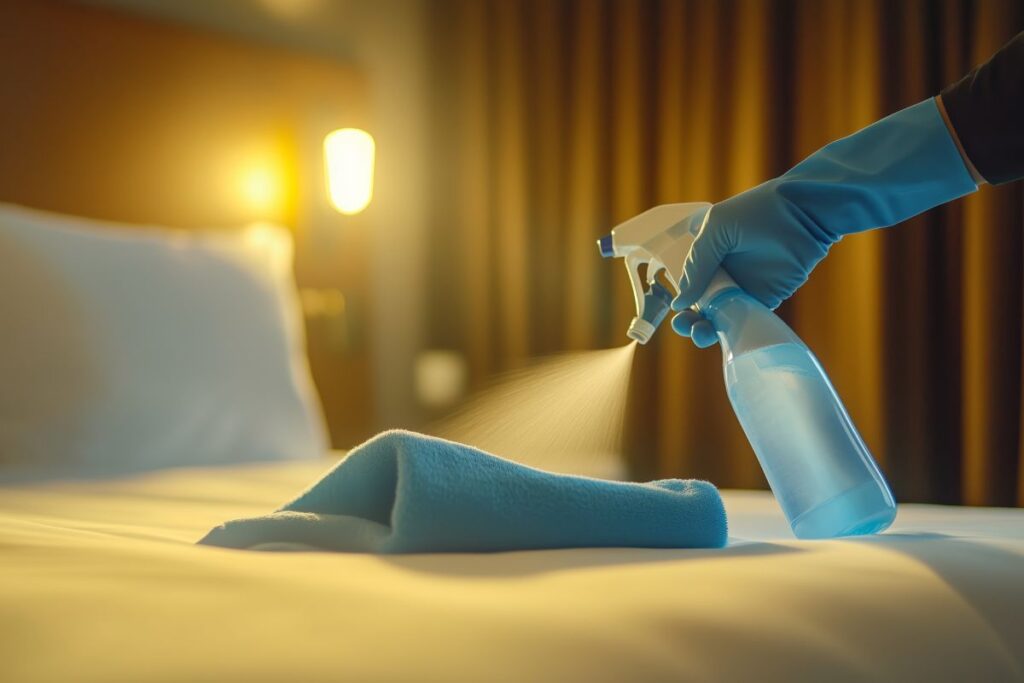
Operations directors evaluating housekeeping performance typically focus on direct costs: labor hours, cleaning supplies, equipment maintenance. The less visible costs of inconsistent quality often exceed these line items but don’t appear explicitly in department budgets.
Guest recovery and retention costs
When guests complain about room cleanliness, hotels typically respond with room upgrades, rate adjustments, loyalty points, or other compensation. These direct costs of service recovery accumulate quickly, but they’re just the visible portion of inconsistency costs.
The larger impact comes from guests who don’t complain but simply choose not to return. Research in hospitality consistently shows that only a small percentage of dissatisfied guests voice complaints – most just book elsewhere next time. For hotels heavily dependent on repeat business from corporate accounts or loyal leisure travelers, this silent attrition erodes the customer base that generates predictable revenue.
Negative online reviews create extended damage that persists far beyond the specific incident. A detailed cleanliness complaint posted two years ago still influences booking decisions today. Hotels spend considerable resources on reputation management trying to counteract negative commentary that could have been prevented with better operational oversight.
Operational disruption and remediation
Guest complaints about room condition during check-in create immediate operational disruptions. The front desk must find alternative accommodation while housekeeping rushes to properly clean the problematic room. This scramble affects multiple departments, delays other guests, and forces staff to handle situations that could have been prevented.
Deep cleaning interventions become necessary when standard cleaning proves insufficient. Properties discover that rooms require intensive remediation to bring them back to acceptable standards. The cost of deep cleaning specific rooms reactively exceeds what systematic preventative maintenance would have required.
Staff morale and turnover implications
Housekeeping departments operating with inadequate oversight create frustrating environments for conscientious staff members. Employees who maintain high standards watch colleagues cut corners without consequence, leading to resentment and eventual disengagement. The best performers often leave first, as they can find opportunities elsewhere.
Training investment gets wasted when new housekeepers leave before they become productive. The constant cycle of recruitment, training, and replacement creates continuous operational strain. Experienced supervisors spend their time on basic training rather than quality improvement because the workforce is perpetually inexperienced.
What Hotel Operators Should Actually Specify in Cleaning Contracts
The gap between standard housekeeping contracts and what hotel operations actually require creates predictable problems. Generic specifications about “daily cleaning” and “quarterly deep cleaning” don’t address the operational realities that determine whether guest-facing standards are consistently met.
Detailed scope definition beyond generic descriptions
Effective hotel cleaning contracts specify exactly what “clean” means for each area type. Guest rooms require detailed checklists that enumerate every surface, fixture, and area requiring attention. Public spaces need specifications appropriate to traffic levels and usage patterns. Back-of-house areas demand different standards reflecting their operational functions.
The specification should distinguish between routine maintenance cleaning and deep cleaning interventions. Routine cleaning maintains appearance and hygiene for occupied periods. Deep cleaning addresses accumulated wear, restores conditions to baseline standards, and tackles issues that routine maintenance can’t address. Both are necessary, but they serve different purposes and require different approaches.
High-touch surfaces require explicit attention in specifications. Door handles, light switches, remote controls, and bathroom fixtures demand not just cleaning but proper disinfection protocols. Post-pandemic, guests notice whether high-touch surfaces receive appropriate attention, and specifications need to reflect this heightened awareness.
Verification and documentation requirements
Standard contracts assume service delivery happened as specified unless problems surface. Modern hotel operations need explicit verification mechanisms built into service contracts. This means requiring contractors to provide evidence that scheduled work occurred, demonstrating that quality standards were met, and documenting any issues discovered during service delivery.
Digital documentation systems provide this verification capability. Photo evidence of completed work, timestamped service records, and digital checklists completed on-site give hotel management visibility into housekeeping execution. Without these systems, operators are relying on trust that specified work happened as required.
Quality assessment protocols should be contractually defined. What inspection standards will verify cleaning quality? Who conducts assessments? What triggers corrective action? These operational details determine whether contracts deliver consistent outcomes or just define minimum obligations that get fulfilled however contractors choose.
Flexibility provisions for operational realities
Hotel occupancy fluctuates significantly. Cleaning contracts need flexibility to scale service intensity appropriately. Peak periods require additional staff and extended hours. Low-occupancy periods create opportunities for deep cleaning and maintenance work that’s difficult during full operations.
Specifications should address how service responds to unexpected situations: spills requiring immediate attention, guest-reported issues needing same-day resolution, or special event preparations demanding elevated standards. Contracts that only define routine service leave these operational needs unaddressed.
Training requirements for housekeeping staff should be explicitly contractual. What standards must personnel meet before servicing guest rooms? How is training verified? What happens when performance issues surface? Hotels need assurance that staff servicing rooms have appropriate capability, not just warm bodies filling shift requirements.
Integration with hotel operations
Housekeeping doesn’t operate in isolation – it coordinates with front office for occupancy status, with maintenance for equipment issues, and with F&B for event-related requirements. Cleaning contracts should specify how service integrates with broader hotel operations rather than treating housekeeping as a standalone function.
Technology integration requirements matter increasingly. Can the cleaning contractor’s systems interface with hotel property management systems? Will occupancy data automatically flow to housekeeping scheduling? How does service delivery data get captured for operational reporting? These technical capabilities affect operational efficiency significantly.
How Technology Transforms Hotel Housekeeping from Service to Operational Intelligence
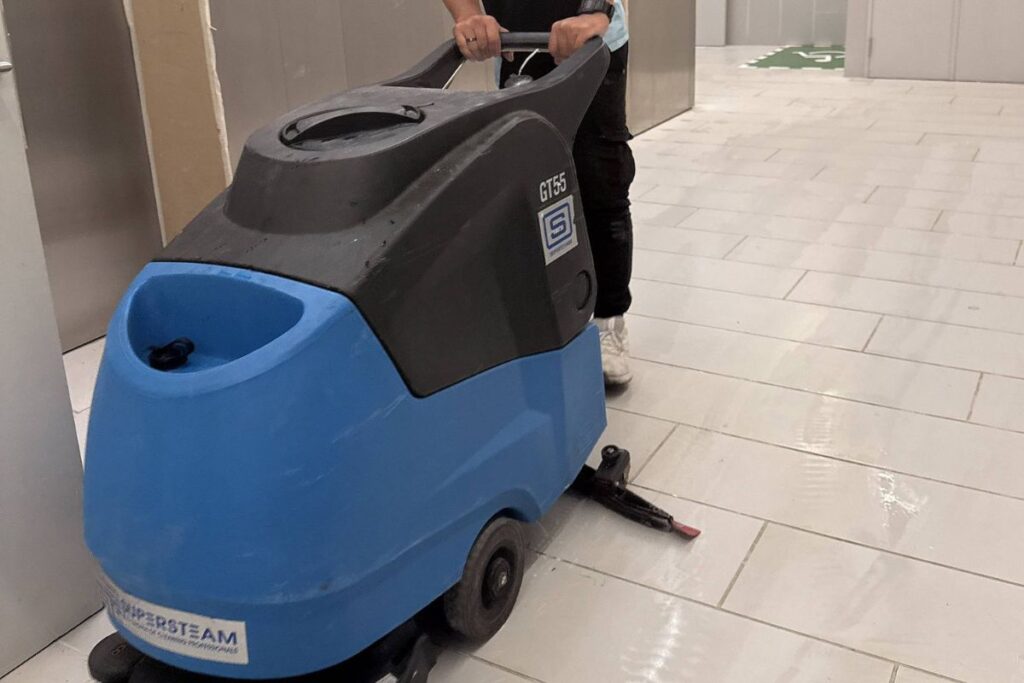
The fundamental limitation of traditional hotel housekeeping is information asymmetry. Management knows what should happen but can’t verify what actually happened. By the time quality issues surface through guest complaints, remediation costs have already been incurred and guest satisfaction has been compromised.
Real-time visibility into service delivery
Digital housekeeping management systems eliminate information asymmetry by capturing service delivery data as work happens. When housekeepers complete rooms, the system records exactly when work occurred, which team member serviced the room, and verification that specified tasks were completed.
For hotel general managers and operations directors, this visibility changes the management paradigm fundamentally. Instead of discovering problems through guest complaints, management sees service delivery in real-time and can intervene before guests are affected. The shift from reactive problem response to proactive quality management has measurable operational impact.
Property-wide visibility matters particularly for hotels with multiple room categories, different service standards by floor or wing, or complex operational environments like mixed-use properties. Digital systems provide unified visibility across the entire property, identifying patterns that would be invisible to supervisors physically inspecting rooms one at a time.
Data-driven performance management
Systematic data capture over time reveals performance patterns that can’t be identified through anecdotal observation. Which housekeepers consistently meet quality standards? Which team members require additional training? Where do quality issues cluster – specific room types, particular floors, certain times of day?
This operational intelligence allows targeted interventions. Rather than generic training for entire teams, hotels can provide focused coaching for specific performance gaps. Resource allocation can be optimized based on data showing where additional attention is needed rather than distributing effort uniformly across the property.
Trend analysis over weeks and months identifies developing issues before they become critical. A gradual decline in service completion times might indicate emerging workflow problems. Increasing frequency of missed tasks in specific areas could signal training gaps or specification issues. Data-driven management catches these patterns early.
Quality verification at scale
Traditional spot-checking inspects a small sample of rooms based on what supervisors have time to physically visit. Digital systems enable comprehensive quality verification without requiring supervisors to physically inspect every room.
Photo documentation of completed work allows supervisors to assess quality remotely. Rather than visiting twenty rooms to spot-check cleanliness, supervisors can review photographic evidence for all rooms serviced, identifying issues efficiently and providing specific feedback to housekeepers.
Digital checklists ensure that specified tasks are completed systematically rather than relying on housekeepers to remember comprehensive requirements. The checklist prompts ensure consistency while the completion records prove that each step was addressed.
Guest experience optimization
Data on service delivery patterns can be cross-referenced with guest feedback to identify correlations between operational execution and satisfaction outcomes. Do rooms serviced during certain shifts receive different guest ratings? Are specific room types associated with more cleanliness comments? Does service completion timing correlate with guest satisfaction?
These insights allow hotels to optimize operations for guest experience rather than just operational efficiency. If data shows that rooms receiving early-morning service have higher satisfaction scores, scheduling can be adjusted to prioritize early completion even if it requires operational adjustments.
Why Hong Ye Group’s Approach to Hotel Cleaning Differs
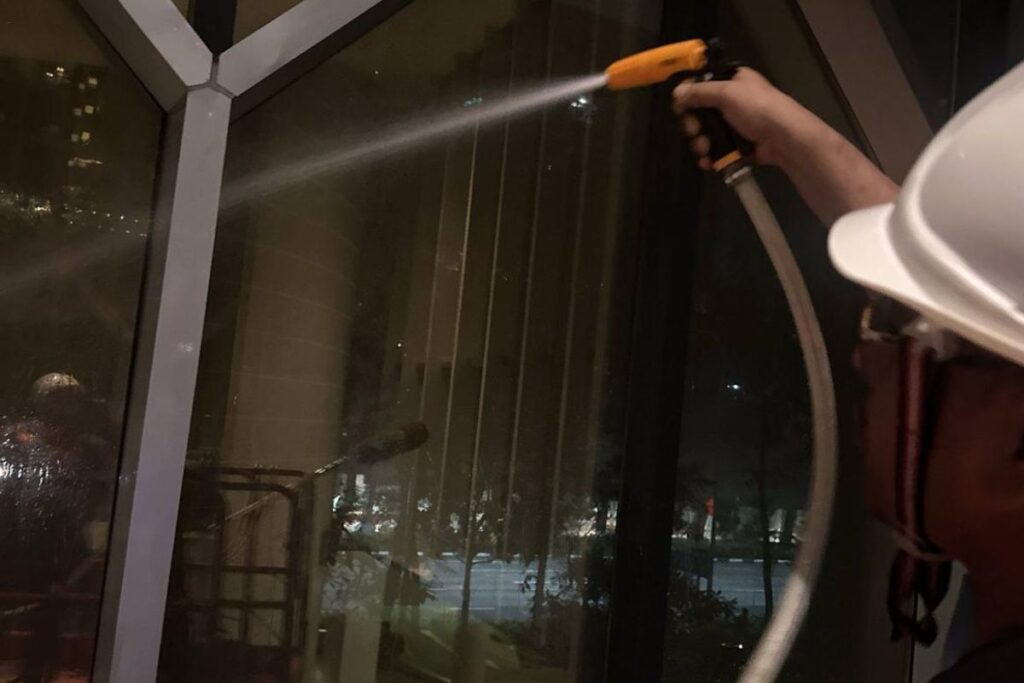
Singapore’s hospitality market has numerous housekeeping contractors capable of providing staff, cleaning supplies, and basic service delivery. Far fewer understand that hotel operators need verifiable performance, operational intelligence, and integrated service that functions as an extension of hotel operations rather than a contracted obligation.
Smart iClean: Technology-enabled service verification
Hong Ye Group’s Smart iClean platform addresses the fundamental gap in traditional housekeeping contracts: the inability to verify that specified work happened as required with consistent quality. The platform provides real-time visibility into service delivery across entire properties, documenting exactly when work occurred, which personnel performed it, and verification that standards were met.
For hotel general managers, this visibility transforms operational oversight. Rather than relying on spot-checking and responding to guest complaints, management sees comprehensive data showing where housekeeping is executing properly and where interventions are needed. The shift from reactive problem management to proactive quality control has measurable impact on guest satisfaction scores.
The platform documentation serves multiple operational purposes beyond immediate service verification. Trend analysis identifies performance patterns over time. Quality metrics provide objective performance assessment. The audit trail supports quality assurance processes and provides evidence of standard compliance for brand inspections or certification requirements.
Hospitality-specific operational understanding
Hong Ye’s experience maintaining hotels like Sofitel informs service delivery in practical ways. Hospitality housekeeping demands different capabilities than office cleaning or retail maintenance – tighter timing requirements, higher appearance standards, coordination with guest services, and ability to flex service intensity based on occupancy fluctuations.
Staff training for hotel environments covers hospitality-specific protocols: guest interaction standards, discretion and privacy requirements, luxury property expectations, and coordination with front office operations. These operational nuances matter for properties where housekeeping teams are visible to guests and represent the hotel brand.
Service flexibility accommodates hotel operational realities. Occupancy fluctuations require scaling service intensity appropriately. Special events demand elevated preparation. VIP arrivals need specific room preparation protocols. Hong Ye’s hospitality experience means understanding these operational requirements rather than treating them as exceptions to standard service.
Integrated facilities management capabilities
For hotel operators managing comprehensive building services, coordinating multiple specialist contractors creates operational complexity. Housekeeping schedules must align with maintenance activities. Cleaning operations coordinate with F&B event preparation. Service delivery across all departments should follow unified quality standards.
Hong Ye’s integrated facilities management approach addresses this coordination challenge. When housekeeping is part of a comprehensive service relationship, scheduling coordination happens internally within the service provider rather than requiring hotel management to orchestrate between multiple vendors.
This integration extends to commercial intelligence. Buildings where Hong Ye provides integrated FM benefit from coordinated approaches across all service disciplines. Maintenance observations inform housekeeping priorities. Housekeeping teams identify developing maintenance issues. Single points of contact simplify vendor management while unified quality standards ensure consistency across service types.
Data-driven continuous improvement
Smart iClean data accumulation over time creates operational intelligence that informs service optimization. Which protocols deliver best outcomes? Where do quality issues cluster? What scheduling approaches maximize both efficiency and guest satisfaction?
This data-driven approach to continuous improvement contrasts with traditional housekeeping models where service delivery remains essentially static except when problems force changes. Hong Ye’s operational approach uses accumulated performance data to refine procedures, optimize resource allocation, and improve outcomes progressively.
For hotel operators, this means service quality improves over time rather than degrading as often happens when contractors become complacent with established relationships. The data discipline ensures that performance is measured objectively and that improvement is systematic rather than reactive.
Making the Transition: From Standard Housekeeping to Comprehensive Hotel Cleaning
Hotel general managers and operations directors evaluating current housekeeping arrangements should assess whether their service model actually supports the operational outcomes their properties require. The questions go beyond basic service delivery to strategic operational capabilities.
Evaluate current visibility into service execution
Do you have real-time verification that scheduled housekeeping work is completed as specified? Can you confirm that all guest rooms received proper attention before check-in? Do you have data showing performance trends over time, or are you managing based on spot-checks and guest feedback?
If the honest assessment reveals limited visibility into actual service execution, your current model leaves you operationally exposed. Quality issues surface through guest complaints rather than internal oversight. Performance problems aren’t identified until they’re creating guest-facing impacts.
Assess operational integration
Does your housekeeping contractor operate as an integrated component of hotel operations, or as an isolated service provider fulfilling contractual minimums? Do they understand hospitality operational requirements? Can they flex service delivery appropriately for occupancy fluctuations, special events, or operational changes?
Hotel housekeeping needs to function as an extension of property operations, not an external vendor checking boxes. The difference shows up in service responsiveness, quality consistency, and ability to handle operational complexity.
Consider total cost of quality issues
Calculate what inconsistent housekeeping actually costs your property. Add up guest service recovery expenses, negative review impacts on bookings, staff time spent managing quality issues, and reputation management efforts addressing cleanliness commentary. Compare these hidden costs to the incremental expense of comprehensive hotel cleaning with proper verification systems.
Many operations directors discover that the hidden costs of inadequate housekeeping oversight exceed what upgrading to technology-enabled comprehensive cleaning would require. The business case for better service often justifies itself purely through reduced quality issue costs, before even accounting for guest satisfaction improvements.
Start the conversation about operational requirements
Reach out to Hong Ye Group for assessment of your property’s specific housekeeping requirements and discussion of how Smart iClean-enabled service delivery addresses operational gaps in standard contracts. The conversation should focus on what operational outcomes your property requires, not just service specifications and pricing.
For hotel operators where guest satisfaction, online review ratings, and repeat bookings represent critical business drivers, comprehensive hotel cleaning with real-time verification provides operational capabilities that standard housekeeping contracts can’t deliver. The question isn’t whether to maintain high cleanliness standards – that’s non-negotiable in hospitality. The question is whether your current service model provides the operational visibility and quality consistency that your property’s market positioning requires.
About Hong Ye Group
Hong Ye Group is Singapore’s award-winning integrated facilities management provider, serving hospitality, commercial, and institutional properties across the region. Recognized with the Singapore Quality Award and SGID Techblazer Award, Hong Ye combines hospitality-specific housekeeping expertise with technology-enabled service verification through the Smart iClean platform. The company maintains hotel properties including Sofitel and provides comprehensive facilities management integrating housekeeping, maintenance, and building services under unified operational frameworks.
Contact Hong Ye Group to discuss how technology-enabled comprehensive hotel cleaning can improve guest satisfaction scores, reduce operational quality issues, and provide the service verification that modern hotel operations require.
Reference sources:
https://goaudits.com/blog/hotel-hygiene-standards-covid/
https://www.rinse.com/blog/time/hotel-cleaning/
https://www.linkedin.com/pulse/complete-guide-hotel-resort-housekeeping-exceptional-guest-bqgyc
https://teamcleannow.com/hotel-cleanliness-guide/